Quake, a “new audio drama” (Reynolds, 2017) from Radio 4 is about how “the search for survivors begins after a deadly earthquake” (Graham, 2017). This new form of audio drama is “made up of 12 short form audio pieces” (Graham, 2017) and uses the innovative virtual reality technology to tell a gripping story and “illustrates how digital communication methods can help save lives” (BDH, n.d.).
The series is “not on radio but online” (Reynolds, 2017), using VR and animations bringing the story to life which is new for Radio 4 as it is its “first virtual reality radio” (BDH, n.d.), winning the “PRIX EUROPA Award for innovation” (BDH, n.d.). This shows how the BBC has taken the first step “into the digital revolution” (Reynolds, 2017) leading the way for others to follow and making this unique for the BBC.
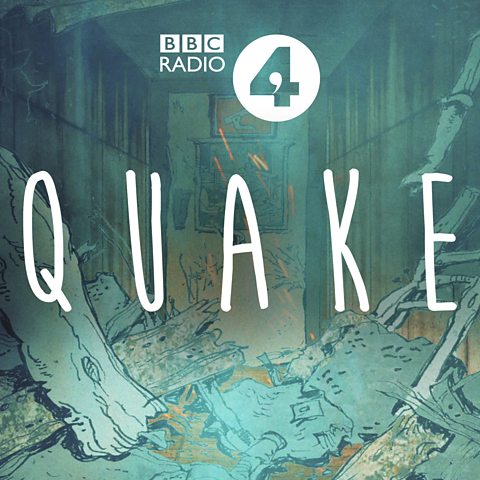 BBC Radio 4 should provide a “mixed speech service, offering in-depth news and current affairs and a wide range of other speech output” (BBC, n.d.) and Quake does this by “highlighting the digital possibilities available in relief efforts and the value of ‘communication as aid’” (FEBA, n.d.) and combining it with a dramatic story that can be put parallel with real disasters that have happened.
Quake’s content reflects the target audience perfectly as it is for those listeners “seeking intelligent programmes in many genres” (BBC, n.d.). Quake follows “the action from different points of view” (Reynolds, 2017) and presents enigma at the end of each part leaving the listeners on a cliffhanger, encouraging them to continue listening.
Through the “superb sound design” (Reynolds, 2017) and by “allowing audiences to create the narrative that suits them” (BBC, 2017) it furthers the listening experience giving them control over what information they hear allowing for the information to unravel in any order. This immerses the listener into the drama bringing the scenes to life and the “visuals offer an extra dimension to each episode” (Graham, 2017), enhancing the drama through this interactive medium.
The series is “not on radio but online” (Reynolds, 2017), using VR and animations bringing the story to life which is new for Radio 4 as it is its “first virtual reality radio” (BDH, n.d.), winning the “PRIX EUROPA Award for innovation” (BDH, n.d.). This shows how the BBC has taken the first step “into the digital revolution” (Reynolds, 2017) leading the way for others to follow and making this unique for the BBC.
BBC Radio 4 should provide a “mixed speech service, offering in-depth news and current affairs and a wide range of other speech output” (BBC, n.d.) and Quake does this by “highlighting the digital possibilities available in relief efforts and the value of ‘communication as aid’” (FEBA, n.d.) and combining it with a dramatic story that can be put parallel with real disasters that have happened.Quake’s content reflects the target audience perfectly as it is for those listeners “seeking intelligent programmes in many genres” (BBC, n.d.). Quake follows “the action from different points of view” (Reynolds, 2017) and presents enigma at the end of each part leaving the listeners on a cliffhanger, encouraging them to continue listening.
Through the “superb sound design” (Reynolds, 2017) and by “allowing audiences to create the narrative that suits them” (BBC, 2017) it furthers the listening experience giving them control over what information they hear allowing for the information to unravel in any order. This immerses the listener into the drama bringing the scenes to life and the “visuals offer an extra dimension to each episode” (Graham, 2017), enhancing the drama through this interactive medium.
References
Reynolds, G. (2017). If this is radio’s future then we should all be worried. Retrieved 10 November 2017, from https://www.pressreader.com/uk/the-daily-telegraph/20170518/282385514446109
Graham, P. (2017). BBC Radio 4 Ventures Into VR For Online Audio Drama Quake. Retrieved 10 November 2017, from https://www.vrfocus.com/2017/04/bbc-radio-4-ventures-into-vr-for-online-audio-drama-quake/
BDH. (n.d.). QUAKE: Trapped Man VR. Retrieved 10 November 2017, from https://www.bdh.net/immersive/quake-vr-trapped-man
BBC. (n.d.). Information for suppliers to Radio. Retrieved 10 November 2017, from http://www.bbc.co.uk/programmes/articles/2FC4S5Nr3dbMH6XJzyM8tHX/bbc-radio-4
FEBA. (n.d.). BBC radio series uses VR for earthquake response drama. Retrieved 10 November 2017, from https://www.feba.org.uk/blog/bbc-radio-series-uses-vr-for-earthquake-response-drama
BBC. (2017). BBC Radio 4 explores virtual reality in drama for the first time in Quake. Retrieved 10 November 2017, from http://www.bbc.co.uk/mediacentre/latestnews/2017/radio-4-explores-virtual-reality